European Produce Supply Update February 2026
Ongoing weather disruption across Southern Europe and North Africa is continuing to affect the availability and consistency of several key fruit and vegetable lines typically relied upon during winter. While supply hasn’t collapsed, volumes are tighter, quality is variable and lead times are less predictable than usual.
Download our February Chef’s Seasonal Scoop leaflet here
Vegetables Most Affected
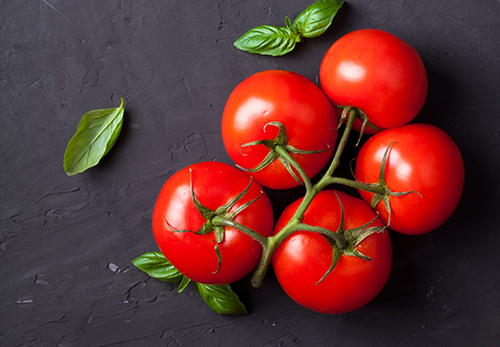
- Tomatoes
One of the most impacted categories. Prolonged rain and low light levels in Spain and Morocco have slowed growth and reduced yields across vine, cherry and plum tomatoes. Size variation and shorter shelf life are being reported.
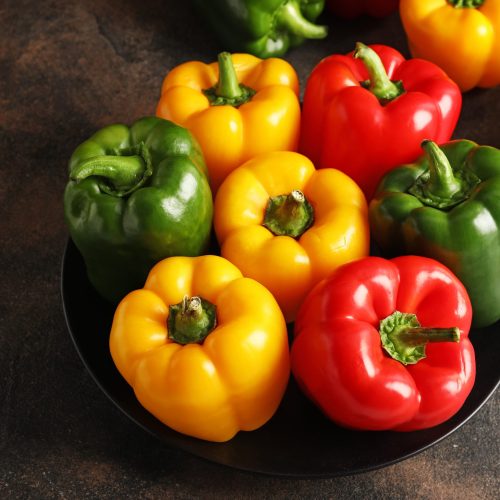
- Peppers (red, yellow & green)
Reduced harvest volumes from Spain, particularly Almería, alongside delayed shipments from North Africa. Prices remain firm, with intermittent gaps in colour availability.
- Cucumbers & courgettes
Glasshouse and outdoor crops have both been affected by cooler temperatures, leading to slower crop cycles and occasional shortfalls.
- Leafy salads
Iceberg, romaine, mixed leaves and baby leaf lines are seeing inconsistent supply due to excess moisture, disease pressure and harvesting delays. Some suppliers are rationing volumes.
- Aubergines
Weather sensitivity and reduced glasshouse output have tightened supply, particularly on larger grades.
Fruits under Pressure
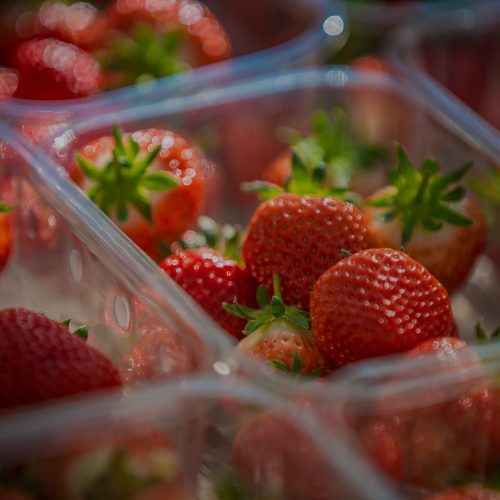
- Strawberries
Early-season European strawberries have been slow to come through, with quality affected by damp conditions. Volumes remain limited ahead of spring production.
- Citrus (especially lemons)
While still available, citrus crops from Spain are seeing smaller sizing and variable quality following prolonged rainfall and flooding in growing regions.
- Soft fruit imports
Morocco and Southern Spain have both experienced logistical disruption, affecting consistency rather than outright availability.
Crops holding up better
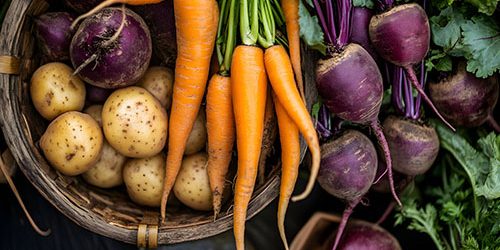
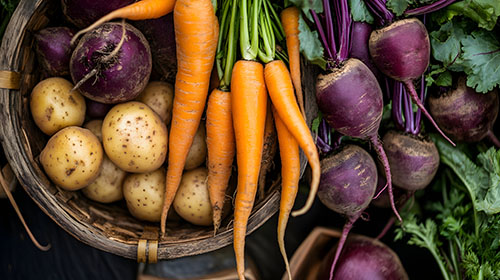
- Root vegetables
Carrots, parsnips, beetroot and swede remain relatively stable, benefiting from earlier harvests and good storage conditions.
- Brassicas
Cabbage, cauliflower and broccoli are less affected overall, although short-term gaps may appear depending on region and timing.
- UK-grown winter produce
Leeks, kale and stored onions are proving more reliable and are being used more widely as substitutions.
Wider Market Context
These challenges have highlighted how dependent winter supply chains remain on Southern European and North African production, even though the European Union is broadly self-sufficient overall. Weather volatility, rising energy costs and transport disruption are all increasing the importance of seasonal flexibility and alternative sourcing strategies.
What to Expect Next
- Continued price sensitivity on tomatoes, peppers and salad crops
- Short-notice substitutions becoming more common
- Greater emphasis on UK and Northern European seasonal veg
- Improved stability expected as daylight increases and spring planting progresses