UK & European Fresh Produce Update – 14 August 2026
The key change this week: drought pressure is worsening
The situation has intensified significantly since last week. Around 71% of England is now experiencing flash-drought conditions, with 45 million people living in areas officially declared in drought. The latest heatwave pushed temperatures to a provisional 38.1°C at Kew Gardens on 13 August – the UK’s fifth-highest temperature on record.
The combination of extreme heat, depleted soil moisture and restrictions on water abstraction is increasingly affecting crop yields rather than simply creating a future risk.
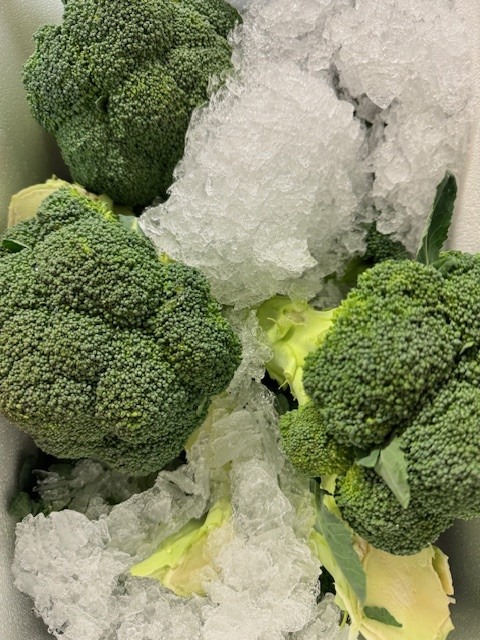
Growers and food-industry commentators are warning that reduced domestic fruit and vegetable supplies and greater reliance on imports could add further pressure to food prices. Broccoli is already among the crops experiencing significant supply pressure.
UK vegetables: the most important lines to watch
Broccoli remains one of the biggest concerns. UK yields have been badly affected by heat and drought, with some growers reporting yields around 50% lower. Suppliers are increasingly having to supplement UK vegetable availability with imports from countries including Spain and the Netherlands. The difficulty is that parts of continental Europe are also experiencing challenging growing conditions, meaning imported produce cannot necessarily provide an unlimited or inexpensive replacement for British supply.
Cauliflower is now firmly on the watchlist too. There are concerns that poor crop establishment and continued heat could restrict availability as subsequent crops come through.
Potatoes remain a significant concern for later in the season. Water stress during tuber bulking can reduce both yield and size. Buyers could therefore see a greater proportion of smaller potatoes, more variable specifications and potentially firmer pricing as the main crop is lifted.
Carrots, peas, lettuce and tomatoes are also showing supply, yield, sizing or pricing pressure as a result of the unusually dry and hot growing conditions.
For chefs, this points towards greater variation in size, specification, origin and price, rather than every affected line suddenly becoming unavailable.
Water is becoming the fundamental UK supply issue
At the end of July, Environment Agency figures showed 1,506 abstraction licence restrictions because of low river flows, alongside a rapid decline in farm reservoir storage. Soil moisture deficits had also reached record levels for the time of year across several regions.
The situation is particularly relevant across the South West. July was the driest on record in Devon and Cornwall since records began in 1871, with only 7mm of rainfall – around 8% of the long-term July average. Reservoir storage fell by around 13% through the month.
This matters because even farms equipped for irrigation may increasingly face restrictions on how much water they can actually use.
Europe: drought is becoming a continent-wide sourcing problem
The European Commission’s Joint Research Centre issued a new assessment on 12 August, warning that drought conditions had deteriorated further across Europe. Repeated heatwaves combined with poor rainfall have pushed sections of major rivers including the Loire, Po, Rhine and Danube to exceptionally low and, in some locations, record-low levels.
This is important for UK produce buyers because it reduces the ability to simply substitute European product whenever British availability tightens.
France remains particularly badly affected. Vegetable growers have reported severe losses in crops including cauliflower, broccoli, lettuce and green beans, with some growers and areas reporting losses approaching 100% on individual crops. Young plants have failed in some locations even where irrigation was available because of the combination of drought and extreme heat.
Across southern Europe, extreme temperatures and wildfires are creating additional difficulties for harvesting, crop quality and logistics. Heat can also accelerate crop development, shortening harvesting windows and potentially increasing wastage.
Apples: a significant new development
One of this week’s biggest pieces of fruit-industry news is the publication of the 2026/27 Prognosfruit forecast.
EU apple production is forecast at approximately 9.50 million tonnes – 15.6% lower than last season. Poland, Europe’s largest apple producer, is expected to see a particularly significant reduction.
This is a sizeable fall and worth watching as the new-season European apple market develops. Poland, France, Hungary and Germany are among the countries expected to produce smaller crops, while Spain is one of the major producers forecast to increase production.
Pears are a much brighter story. EU production is forecast to rise 5.5% to approximately 1.95 million tonnes, with particularly strong increases expected from Italy and the Netherlands.
Pricing outlook
I would expect upward pressure to remain strongest on broccoli, cauliflower and selected field vegetables, particularly where buyers have to replace British volume with imported product.
Potatoes and carrots could become more important pricing stories later in the season because the full impact of drought on main crops will only become apparent as harvesting progresses.
Apples should also be watched closely. A 15.6% fall in forecast EU production does not automatically mean a comparable rise in price, but it clearly reduces the supply cushion across the European market.
What chefs and produce buyers should watch over the next few weeks
The priority watchlist is now:
Broccoli • Cauliflower • Potatoes • Carrots • Lettuce & leafy salads • Peas • Apples
The main operational advice remains menu flexibility. Alternative varieties, sizes and origins may sometimes provide much better value than insisting on one particular specification.
Shelf life is another consideration. Extreme heat can affect crop condition and shelf life, making tighter stock control and more frequent ordering worthwhile where availability allows.
Bottom line
The market has moved from “drought may cause problems” to “drought is already reducing supply.”
British produce remains plentiful across many seasonal lines, so there is no general fruit-and-vegetable shortage. However, specific crops – particularly broccoli and cauliflower – are becoming increasingly challenging, while carrots, potatoes and autumn crops remain vulnerable to continued dry conditions.
More importantly, parts of Europe are experiencing many of the same problems. This means imported produce may be available to help fill gaps in UK supply, but potentially at higher cost and with greater volatility in availability, specification and quality.
For chefs and produce buyers, the next four to six weeks are likely to reward flexible menus, sensible substitutions and close communication with produce suppliers.