
Market overview
The fresh produce market remains broadly supplied, with a strong range of British seasonal crops available. However, extreme heat and exceptionally low rainfall are increasing the risk of sudden gaps, mixed sizing, shorter shelf life and firmer prices during August. The greatest pressure is currently on outdoor crops dependent on irrigation, while greenhouse production across northern Europe is showing a more mixed picture.
UK growing conditions
On 29 July, the Environment Agency officially declared drought across half of England, including East Anglia, London, the Thames Valley and large parts of central and southern England. Rivers are running low, soils are extremely dry and growers are being forced to harvest some crops earlier than planned.
The latest detailed report, covering 17–23 July, recorded 1,353 restrictions on water-abstraction licences, with high irrigation demand and warnings that further voluntary or formal restrictions may be required. Reduced yields and increased field-fire risk are already being reported.
This creates particular risk for:
- Potatoes, carrots and root vegetables, especially crops without secure irrigation.
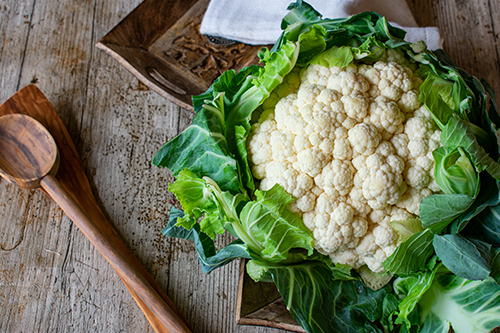
- Broccoli, cauliflower and leafy vegetables, where heat can affect development, colour, firmness and shelf life.
- Courgettes, sweetcorn, squash and young plants, which have suffered heat damage in some UK growing areas.
- Later-sown crops, where shallow roots and limited soil moisture may reduce yield or cause uneven sizing.
British produce is not facing a blanket shortage, but availability may become more inconsistent between farms, regions and specifications.
European conditions
The EU’s July crop-monitoring bulletin reports that heatwaves accelerated the ripening of winter crops while threatening summer crops across western, central and southern Europe. Persistent heat and limited moisture remain the primary risks through the early part of August.
France and Spain are experiencing renewed heat and wildfire conditions, creating additional risks for harvesting, labour, irrigation, transport and crop quality.
In Belgium and the Netherlands, prolonged heat has caused:
- Misshapen or curved cucumbers.
- Lower production from some greenhouse crops.
- Early finishes for some strawberry growers.
- Price increases where volumes have tightened, particularly peppers and selected vegetables.
However, supply is not tight across every greenhouse line. One major German cooperative reports good cucumber and tomato yields, with prices below last year following increased growing area.
Availability and pricing watchlist
Broccoli and cauliflower: Outdoor brassicas remain vulnerable to heat stress, rapid growth, pest pressure and reduced shelf life. Expect fluctuations in head size and occasional short-notice substitutions.
Carrots and potatoes: Water availability will be crucial. Crops grown without reliable irrigation may produce smaller sizes and lower yields, creating potential pressure later in the season.
Cucumbers and peppers: European availability is variable. Heat-related quality issues and reduced volumes have supported prices in some markets, particularly green peppers, although supply remains adequate from other growing regions.
Tomatoes: Northern European greenhouse production is generally holding up better than many outdoor crops. Standard lines may remain relatively stable, but speciality varieties could fluctuate depending on origin, heat and demand.
Soft fruit: Strawberries, raspberries and other delicate berries remain highly weather-sensitive. Heat can shorten harvesting windows and shelf life, so quality and price may change quickly.
Stone fruit: Peaches, nectarines, apricots and plums should remain well represented, although extreme heat, hail and wildfires may create regional differences in size and quality.
Implications for chefs and buyers
During the next few weeks, it would be sensible to expect:
- More variation in sizing and appearance.
- Occasional changes of origin.
- Shorter shelf life on leafy produce, berries and tender vegetables.
- Firmer pricing where irrigation restrictions reduce harvestable volumes.
- Crops finishing earlier than expected.
- Strong value still available from lines enjoying peak seasonal production.
Menu flexibility will remain important. Accepting alternative sizes, varieties or origins will help buyers maintain continuity while growers and suppliers manage increasingly changeable conditions. The key products to watch during early August are broccoli, cauliflower, carrots, potatoes, leafy salads, cucumbers, peppers and soft fruit.

View our Chef’s Seasonal Scoop here