
European Produce Supply Update March 2026
Weather continues to shape produce supply across Europe
As we move into mid March, the effects of a very unsettled winter across parts of Europe are still being felt in the fresh produce market. While supply has stabilised slightly compared with the disruption seen earlier in the season, the combination of storms, heavy rainfall, low light levels and high humidity across key growing regions in Spain continues to affect both availability and quality in some crops.
Closer to home, the UK has also experienced an exceptionally wet winter. Although this hasn’t led to widespread crop failure, saturated ground conditions have made harvesting and field work more difficult in some areas. The upside is that water reserves and irrigation levels for the coming growing season are looking far healthier than they did this time last year.
Below is a look at some of the produce lines currently experiencing the most pressure.
Download our March Chef’s Seasonal Scoop leaflet here
Mediterranean vegetable crops
Tomatoes
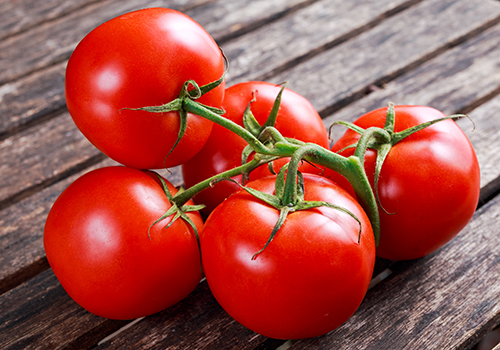
Tomatoes from southern Spain remain somewhat inconsistent. High humidity and reduced sunlight in greenhouse growing regions have slowed crop development and increased disease pressure, which has affected yields in some areas. Vine tomatoes, cherry tomatoes and speciality varieties have been particularly sensitive, meaning the market may remain slightly volatile in the short term.
Peppers
Peppers continue to be one of the tighter categories. Growers in Almería have reported reduced yields due to challenging weather conditions earlier in the season, alongside some pest pressure. Supply is improving gradually, but volumes are still below typical levels for this time of year.
Cucumbers and courgettes
Both cucumbers and courgettes have also been affected by the difficult winter growing conditions in Spain. Production has been uneven, and growers have reported slower crop cycles due to lower light levels and cooler temperatures.
Aubergines
Aubergine crops have faced similar challenges to peppers and cucumbers, with yields slightly lower than usual in parts of southern Spain. Availability is generally steady but can fluctuate week to week.
Brassicas and field crops
Broccoli and cauliflower
Industry reports are warning of a noticeable dip in Spanish broccoli and cauliflower supply through March. Earlier heavy rainfall in Murcia disrupted planting schedules, which is now feeding through into reduced volumes reaching the market. This may create some short-term tightness before spring plantings begin to come through.
Leafy salads and lettuce
Leafy crops such as lettuce remain vulnerable where fields experienced waterlogging earlier in the winter. Harvesting can be more difficult in wet conditions and crop quality can be more variable as a result.

Soft fruit
Strawberries
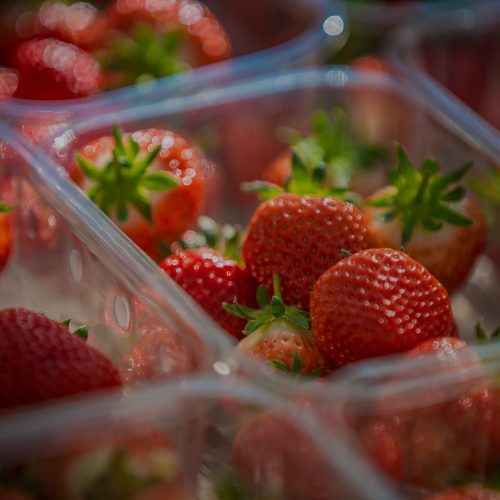
Spanish strawberries from Huelva have had a challenging few weeks due to storms and persistent humidity. While fruit continues to arrive in the market, quality and consistency have been more variable than normal for early spring.
Market intelligence – what buyers are seeing
Alongside the broader weather impacts across Europe, buyers across the fresh produce sector are also reporting some short-term shifts in supply as the market transitions from winter crops into the early spring season.
Early asparagus beginning to appear
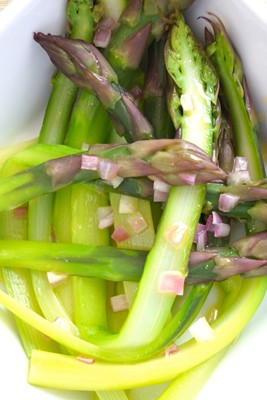
The first asparagus including New Forest asparagus is starting to appear. Volumes remain limited for now and prices are still relatively firm while the season builds momentum.
Citrus moving toward the end of season
Mediterranean citrus is now entering the later part of its season. Spanish oranges and mandarins remain widely available, but some late-season lines may begin to show more variability in size and shelf life as the season progresses.
Avocado supply stabilising
Avocado availability has been inconsistent over recent months due to weather impacts in Spain and Morocco. However, supply is beginning to stabilise as additional fruit from Peru and other origins starts supporting the European market.
Salad crop transitions
As southern Spain moves toward the end of its winter lettuce cycle, production gradually shifts to other growing regions including northern Spain and parts of Italy. During these transition periods it is common to see some variability in availability and pricing.
Improving light levels for greenhouse crops
One positive sign for growers is the gradual increase in daylight hours across Europe during March. Higher light levels should help improve crop yields for greenhouse-grown products such as tomatoes, cucumbers and peppers over the coming weeks.
The UK picture
The UK is currently in what growers often refer to as the “hungry gap” — the period between winter crops finishing and the first significant flush of new spring produce arriving.
Despite the wet conditions this winter, hardy seasonal produce continues to provide reliable options.
Crops currently holding up well include:
- Carrots
- Parsnips
- Beetroot
- Celeriac
- Leeks
- Kale
- Savoy cabbage
- Stored onions and potatoes
These hardy vegetables are less affected by the volatility impacting imported salad crops and remain dependable staples while we wait for the new UK season to gather pace.
Looking Ahead
As we move further into spring, supply should gradually stabilise as new plantings begin to come through and daylight hours increase across southern Europe.
Short-notice substitutions may occasionally still be necessary, but overall availability is improving compared with earlier in the winter.
In the meantime, leaning into seasonal UK produce remains the best way to ensure consistent supply and great flavour on the plate.
.